
Picture Books
Having started in late October 2021, it was encouraging to finally be coming to the end of one retro-fit project — the picture books.
The picture books were a mixture of fiction, nonfiction, board books, and leveled readers. They were arranged in four groupings – yellow, green, red, blue – for reading levels/genre. Blue seemed to be for nonfiction. There was no documentation on what these colors meant in terms of levels or what criteria had been used to “level” them.
The children who came looking for books did not care one iota about any leveling indicators. Neither did I. So began the project to make sure all the books were cataloged, given a new simplified call number and arranged alphabetically by the author’s surname. Picture book is a picture book is a picture book. So, no separation of fiction/nonfiction. No reading level separations.
A new location was created called “Easy Books” for the leveled readers intended for children learning to read on their own. Picture books location was to be for board books and classic picture books (large illustrations, brief stories, meant for being read by an adult to a child).
It took November, half of December, February and half of March, to accomplish this task. (January was a COVID lockdown.) I went book by book through the collection, assessing the condition of the books (water damaged, worn, torn, and broken books removed from circulation), copy records edited to reflect the new call number and correct location code, old labels removed, and new labels applied.
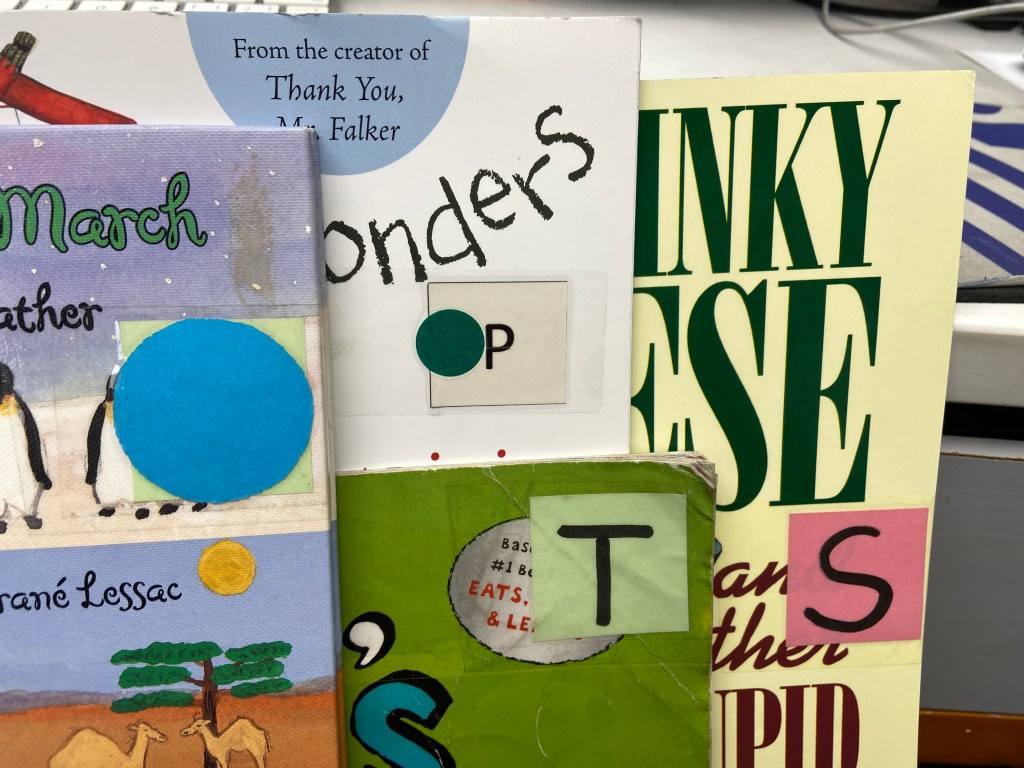
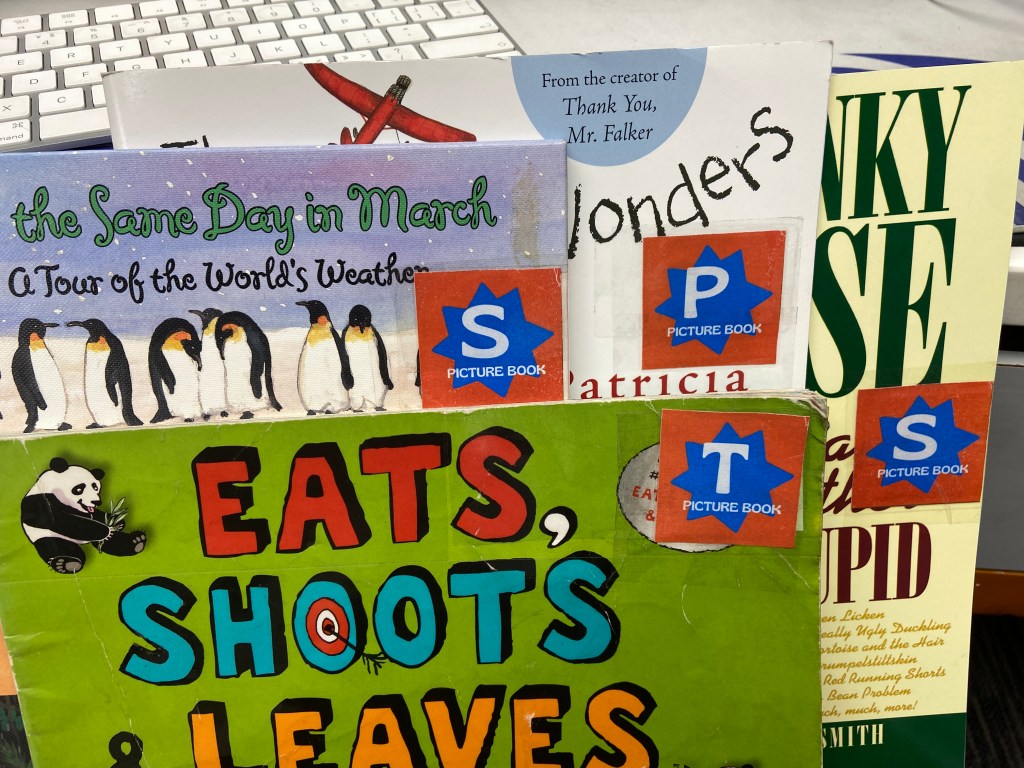
This has now been accomplished on 1760 picture books and 947 leveled readers..
Nonfiction picture books and board books had been labeled with Dewey Decimal numbers OR the generic NF. It made no sense to have two systems. It also is not necessary or beneficial to classify board books.
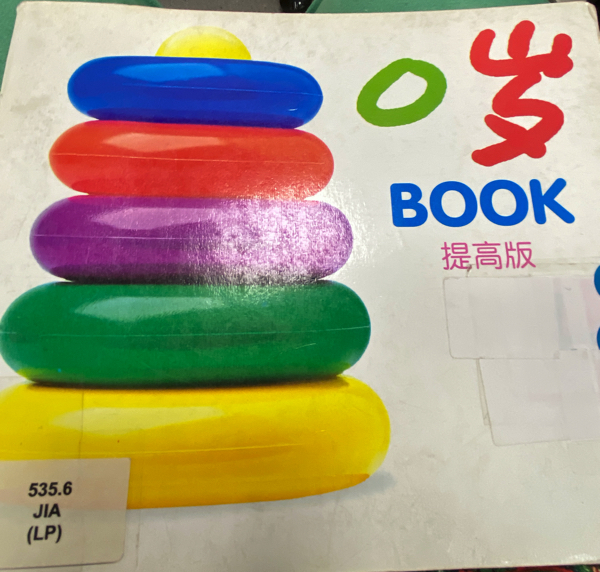
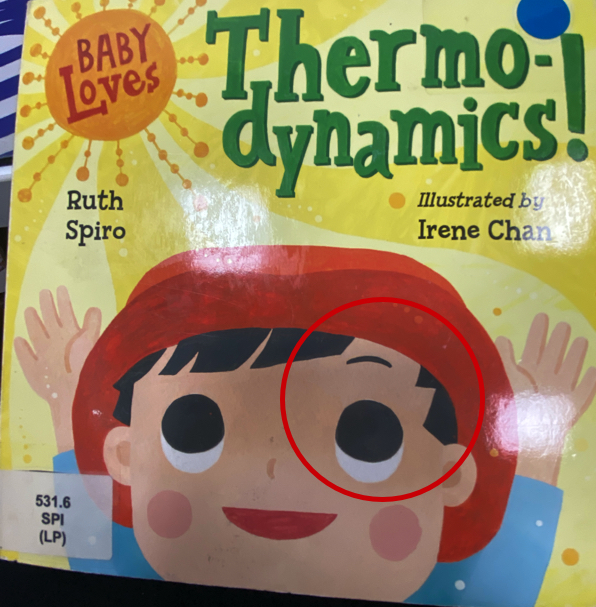
I truly see no point in classifying board/picture books by nonfiction subject. These books are intended for young children. These children are learning how to handle books without tearing or damaging them. They are learning that stories come out of books when adults read them, that pictures tell stories, and that books can be fun and interesting. They do not care about how the books are organized. In fact, they unintentionally do a pretty good job of disorganizing the books. We ask them to NOT put books back in the bins or on the shelves in an attempt to reduce the chaos.
I posted the picture of the Thermodynamics book to a social media group of catalogers complaining about the books being classified. I was a little horrified by how many catalogers said “we do that.” Really? What a waste of time and a failure to serve library users. Some even tried to justify the practice as necessary to teach children how to use a library later in life. “When you catalog for K-12, you have to remember that every book on the shelf is potentially informational. … Why not use Dewey when it’s appropriate?” My point is that it is not appropriate for board books and picture books. I suspect that those who make this argument in favor of classification do not actually interact with library patrons or school children.
Because my school has International Baccalaureate curriculum from beginning to end, it would be much more helpful to attach subject headings or tags related to the Learner Profile — Inquirers, Open-Minded, Knowledgeable, Caring, Thinkers, Risk Takers, Communicators, Balanced, Principled, Reflective. Picture books that provide examples of these concepts are what teachers desire. Books that contain examples of the Approaches to Learning would also be desirable — Critical Thinking, Creativity/Innovation, Transfer, Communication Skills, Social Skills, Self-management Skills, and Research Skills. Being able to easily identify these books with this content would be far more valuable than classification by Dewey Decimal System. For the youngest students, social skills would be the most vital.

 International School Librarian